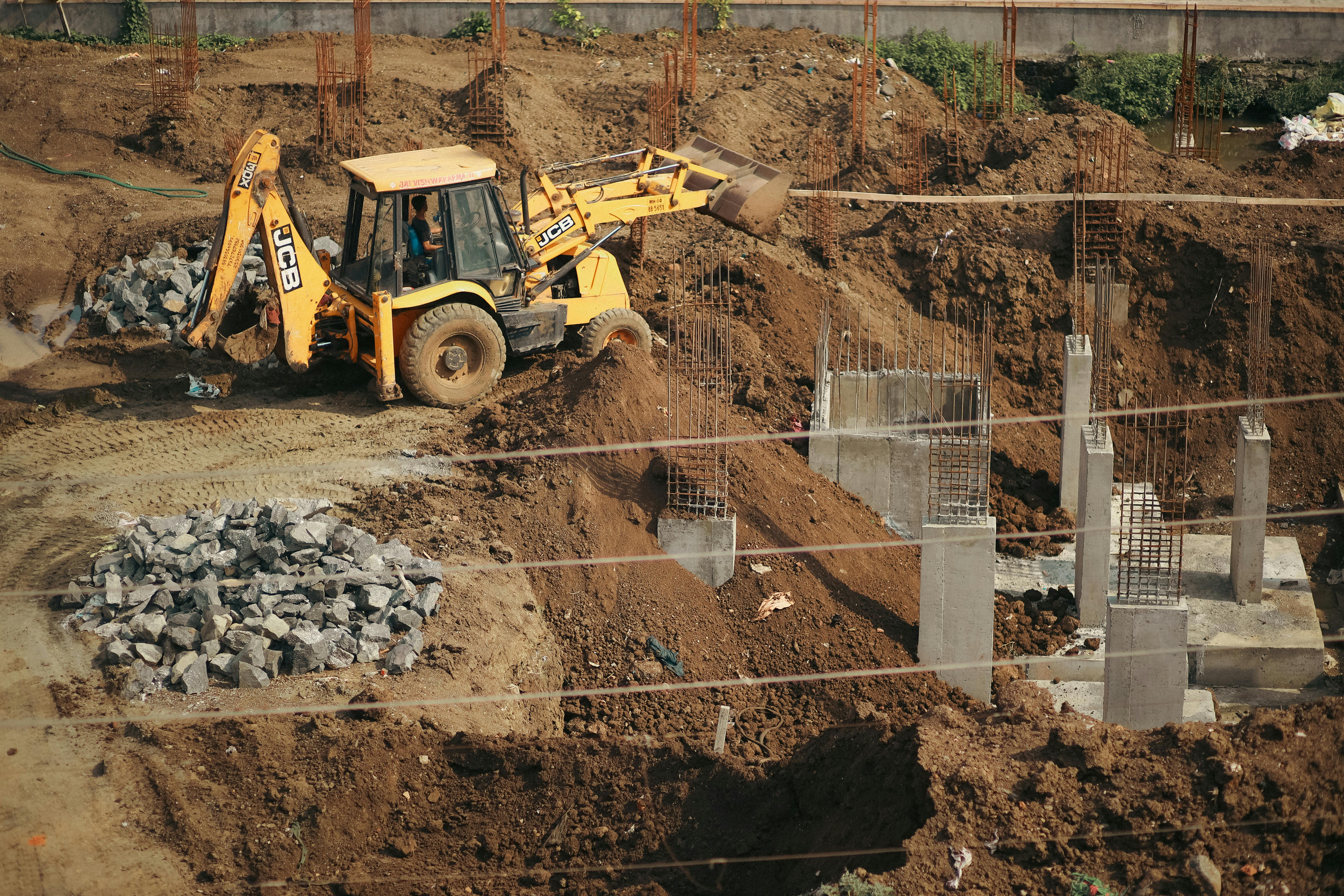
If you've ever compared two excavation quotes for the same job and seen a 30% gap, you're not alone. Excavation isn't a flat-rate trade — the price moves with conditions on the ground, the depth of the cut, the disposal route, and how clean the access is. This guide walks through the variables that actually drive excavation cost in Ontario in 2026, so you can read a quote and know what you're paying for.
Soil Conditions and Subsurface Surprises
[Write about how soil type — clay, sand, fill, rock — changes excavation time and cost. Mention groundwater, frost, and the cost of hitting unexpected material mid-dig. Touch on why a soils report saves money on larger jobs.]
Depth, Volume, and Equipment Class
[Explain how depth of cut moves the equipment class needed (mini excavator vs. 320 vs. 336) and how volume of spoil changes hauling cost. Note that doubling depth more than doubles cost on most lots.]
Site Access and Working Room
[Cover the cost impact of tight urban lots, overhead lines, neighbouring structures, and limited truck staging. A cramped infill in Toronto is a different price per cubic metre than an open lot in Caledon.]
Disposal and Hauling Distance
[Explain that spoil isn't free to get rid of. Tipping fees, haul distance to the disposal site, and whether the material is clean fill vs. contaminated all change the bottom-line number. Mention on-site reuse where possible.]
Permits, Inspections, and Engineering
[Note when a job needs municipal permits, locates, shoring engineering, or inspections — and how that adds line items most homeowners don't expect.]
What a Reliable Quote Should Spell Out
[Close with a checklist: what a contractor's quote should include so you can compare apples to apples. Itemized hauling, unit rate for unsuitable soil, change-order process, schedule.]
Need an Excavation Crew?
30+ years digging across the GTA.
Owner-operated fleet. No rental delays. Tell us about your project and we'll come back with a quote within 24 hours.